Richmond (804) 353-6030          Norfolk (757) 853-5669           Raleigh (919) 965-0203

Subscribe by Email

Your email:

Contact Us

Reliable and Professional Fence Information Blog

Current Articles | RSS Feed RSS Feed

What Are The Basic Guidelines For Pool Fence Codes?


Virginia, Maryland, and North Carolina all have relatively similar pool fence codes and adhere to three basic guidelines regarding proper installation and layout of pool fences:

Pool Safety1) All pool fences are to be at least 4’ in height
2) Fence gates must be self-closing and self-latching   
3) Pool fences can be no higher than 2” from off the ground, making for a minimal gap between the bottom of the gate and the ground


Selecting the right pool fence material is important, and no matter which material is selected, the three aforementioned regulations must be met. The following section will delve into the four different types of pool fence materials that are commonly used, and some of their nuanced requirements to meet state pool fence codes:

1) Wood Fence: Pool code states that the fence verticals must have gaps spacing no farther than 1 ¼” apart when the space between the horizontal support rails is less than 45”. This restriction is meant to keep someone from gaining foothold and scaling the fence.

2) Vinyl Fence: A popular choice due to its maintenance free quality, moisture resistant properties, and lifetime warranty. Vinyl fences come in white or tan and in three styles that meet pool code:

  • Privacy: Provides complete seclusion, ranging in heights from 4’ to 6’
  • Semi-privacy: Provides 80 % privacy, also ranging in heights from 4’ to 6’
  • Picket fence: Typically chose for its aesthetic appeal. Picket pool fences can vary in height depending on the back rail spacing (45”) and specific picket style. Heights are commonly 4’ to 5’

3) Aluminum Fence: A popular choice for sharply-dressedAluminum Pool Fence pool enclosures, aluminum pool fences are also maintenance free with a lifetime warranty and come in a wide range of styles and heights to meet both customer needs and pool code. Like wood and vinyl fences, aluminum verticals must have gap spacing no farther than 1 ¼” apart when the space between the horizontal support rails is less than 45”. Furthermore, aluminum fences must have a closed top and bottom rail with no protruding pickets. This is to avoid the likelihood of someone climbing over or crawling under the fence from getting impaled.

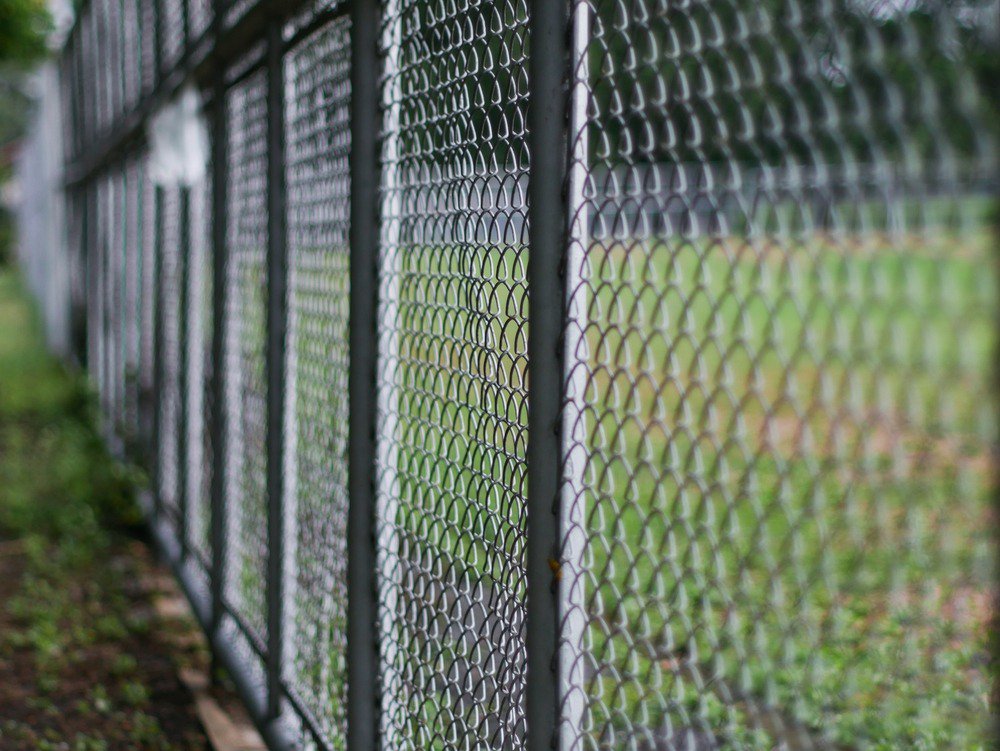
4) Chain Link Fence: These fences require the fabric to be in 1 ¼” diameter diamonds to prevent foothold for climbing.

As mentioned earlier, regardless of fence material, all pool fences must adhere to the three basic guidelines: at least 4’ tall; must have self-latching gates; bottom must be no higher than 2” from off the ground. Picking out what’s right for you may seem like a daunting task, so feel free to contact Hurricane Fence for any of your pool fence-related questions.


Article contributed by Michael Fugere.

What Are The Latest Fence Codes For 2011?


fence codeFence codes vary depending on the city and state where one a fence is to be erected. It is important to understand the specific fence building requirements for a localized area. The local building ordinances can range from very strict to rather loose depending on the area authority. They can cover specific aspects of fence plan including height, style, color and location.  Again, these codes can vary from city to city as well as neighborhood to neighborhood. Therefore, before proceeding with any plans for a new fence it is very important to fence codecheck with the areas Homeowners Association (HOA), as well as the city and state governments.  The city or county building code office is where you would actually begin. YES, erecting a fence does require a building permit.

Taking a good look at fence building codes topic requires breaking it into individual categories.

POOL FENCE CODE

This is the first area that needs to be discussed is pool fence codes. This is because it has the most stringent code restrictions. The typical pool fence code requires that a fence be at least 48 inches tall with no more than a two-inch gap beneath the fence. This prohibits children and small pets crawling underneath the fence. The gates MUST be self-closing and self-latching to prevent the gate from being left open or easily pushed open by a small child. There are also varying restrictions based upon the particular style that one chooses, for example: chain link, wood, vinyl PVC, and ornamental.

RESIDENTIAL FENCE CODE

Residential fence regulations can vary greatly depending on the specific city and HOA Guidelines for fence codes. These restrictions usually speak to the fence style, color, height and location. Sometimes you are restricted to one particular style of fence. An example of this would be an entire housing development that requires 6 ft high white vinyl privacy fence. It could also be a situation where you are not so limited to style, but the code may not allow for a chain link fence to be installed. The location restriction is seen in areas that do not allow you to put a fence up in your front yard, or could just restrict the type of fence to be used in the front yard.

DUMPSTER ENCLOSURES CODE

This particular situation affects mainly businesses that require a large dumpster toDumpster fence code hide their disposed trash until pickup. In many areas it is required by codes that an enclosure be built around the dumpster. This is mainly due to the eyesore that most dumpsters create. The style and height of the enclosure will generally vary based on the height of the dumpster itself, and the buyer's particular wants, needs and budget. Dumpster enclosures should generally be designed in a way that limits visibility of the dumpster. Examples of this would be a wood shadow box type enclosure or a chain link enclosure with privacy slats.

The categories previously discussed are not the only areas that are affected by fence codes, but they are a certainly few of the important ones. It is always important to check with your local city and Homeowners Association for their specific code before constructing any type of fence. You do not want to have to tear down and replace a brand new fence. The frustration would only be outweighed by the unwarranted cost. A professional fence company that is operating in your locality will be familiar with the system and process of the locality. You may want to consult them for information.

Article contributed by fence professional Luke Drylie

All Posts