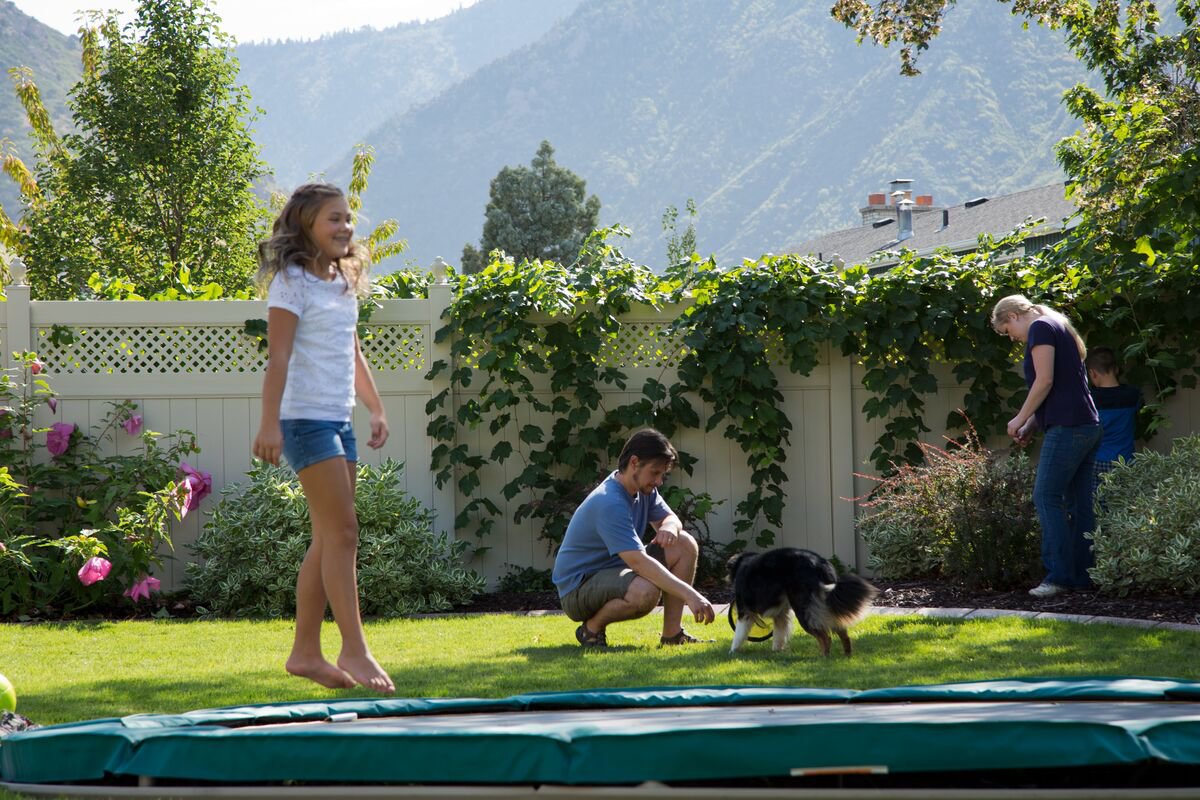
Outdoor living spaces feel different when they are clearly defined instead of wide open and unfinished. A fence does more than mark a property line, it helps the yard feel intentional, private, and usable in everyday life. When boundaries are clear, people naturally settle in and use the space instead of treating it like leftover lawn.
One thing that really changes how outdoor living spaces feel is how zones come together. Dining areas, seating spots, outdoor kitchens, and play areas all work better when fencing helps separate them without breaking the flow. The right fence quietly guides movement, creates comfort, and turns an empty yard into a space that actually gets lived in.
Contents
- 1 Why Fence Style Influences Outdoor Spaces
- 2 How Fencing Impacts Layout and Furniture Zones
- 3 What Material Choice Does for These Spaces
- 4 Why Fencing Improves Security
- 5 Where Design Enhancements Transform Outdoor Living Spaces
- 6 What Homeowners Gain from Purpose-Built Outdoor Living Spaces
- 7 Build Outdoor Living Spaces with Structured Comfort and Lasting Style
How a New Fence Frames Outdoor Living Spaces
A new fence frames outdoor living spaces by giving the yard structure and purpose. Height, spacing, and material all influence how enclosed the space feels, how air moves through it, and how much shade or openness you get. When planned well, the fence supports comfort and organization without making the yard feel boxed in. Think of the fence as the backdrop to everything else happening outside. It defines where activities start and stop, helps furniture layouts make sense, and creates a visual edge that pulls the whole design together. That structure makes outdoor living feel easier and more natural over time.
Why Fence Style Influences Outdoor Spaces
Fence style plays a bigger role in atmosphere than most people expect. Wood fencing brings warmth and texture, with natural grain and movement that blends easily with plants and landscaping. It tends to soften the space and make it feel relaxed, which works especially well for gardens and casual gathering areas.
Aluminum fencing creates a very different feel. Clean lines and open pickets support modern layouts and keep sightlines open, which helps smaller yards feel less closed in. Airflow stays open, layers remain visible, and the space feels structured without feeling heavy.
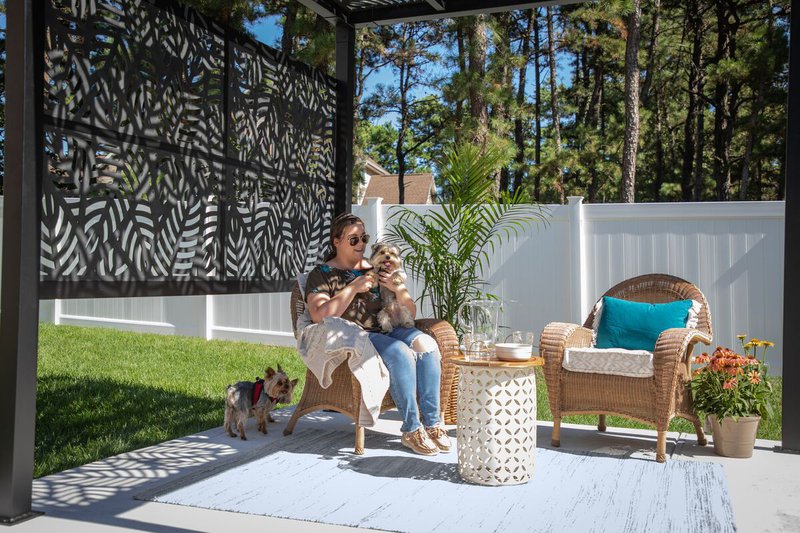
Outdoor living spaces usually work best when fence style supports how the area will actually be used. Pathways feel more intuitive, furniture placement feels deliberate, and the yard reads as one cohesive space instead of separate pieces. Consistent tone, rail detail, and finish help everything visually connect.
Color matters too. Lighter fence colors can make compact yards feel brighter and more open during the day. Darker tones add depth and work especially well behind evening lighting, fire features, or dense landscaping, creating a more intimate atmosphere.
Where Privacy Matters in Outdoor Spaces
Privacy has a direct impact on how often outdoor spaces get used. When sightlines are blocked and the yard feels protected, people naturally relax more and spend more time outside. Cooking, entertaining, or simply sitting feels easier when you are not aware of neighboring windows or foot traffic.
Solid-panel fencing works well when privacy is the top priority. Wood privacy fencing blends naturally with gardens and organic landscaping, while composite panels offer the same coverage with far less upkeep. In tighter suburban areas, composite is often chosen for that reason alone.
Fence height also plays into comfort more than most people realize. Taller fencing helps buffer street noise, block nearby views, and reduce visual distractions. When sound control and privacy work together, outdoor living spaces feel calmer, quieter, and far more inviting.
How Fencing Impacts Layout and Furniture Zones
Fence placement quietly does a lot of the heavy lifting when it comes to how an outdoor space actually works. Where the fence sits often determines where furniture feels natural, how people move between areas, and which spots feel intentional instead of awkward. A well-placed fence can frame a dining table, anchor a fire feature, or guide foot traffic between zones without making the space feel tight or overdesigned.
- Taller fencing: Adds shade protection and cuts down wind exposure, which helps outdoor living spaces stay comfortable during hot summers or breezy seasons.
- Light-colored fencing: Makes smaller yards feel wider and more open by reflecting light and expanding visual depth.
- Dark finishes: Create contrast behind fire pits or evening lounge areas, making lighting feel warmer and more dramatic at night.
- Corner fencing: Naturally forms quiet conversation or reading areas where seating feels tucked in and relaxed.
- Integrated gates: Keep movement between the yard, garden, and entertaining areas smooth without disrupting the overall layout.
Defined edges make it easier to arrange seating, reduce visual clutter, and host gatherings without constant rearranging. When boundaries guide movement instead of restricting it, outdoor living feels balanced, organized, and comfortable all year long.
What Material Choice Does for These Spaces
Material choice shapes how an outdoor living space looks and performs over time. Wood brings warmth, texture, and character, which helps outdoor areas feel connected to nature. Composite appeals to homeowners who want durability and consistency without ongoing maintenance.
Wood absorbs stain easily, making it simple to coordinate with decks, pergolas, stonework, or trim. Composite holds its color through heat, rain, and winter conditions, which works well for people who prefer a set-it-and-forget-it approach. Vinyl fencing supports clean geometry and bright presentation that complements minimal or modern landscape design.
Lighting also behaves differently depending on material. Composite surfaces tend to reflect light more clearly, highlighting texture at night. Wood softens light and creates a calmer, more atmospheric backdrop for evening use.
Why Fencing Improves Security
Security becomes more important once outdoor spaces start holding grills, cushions, décor, and seasonal equipment. A fence clearly defines the boundary, which discourages unwanted access and protects what is inside. When the perimeter feels secure, people naturally feel more relaxed using the space.
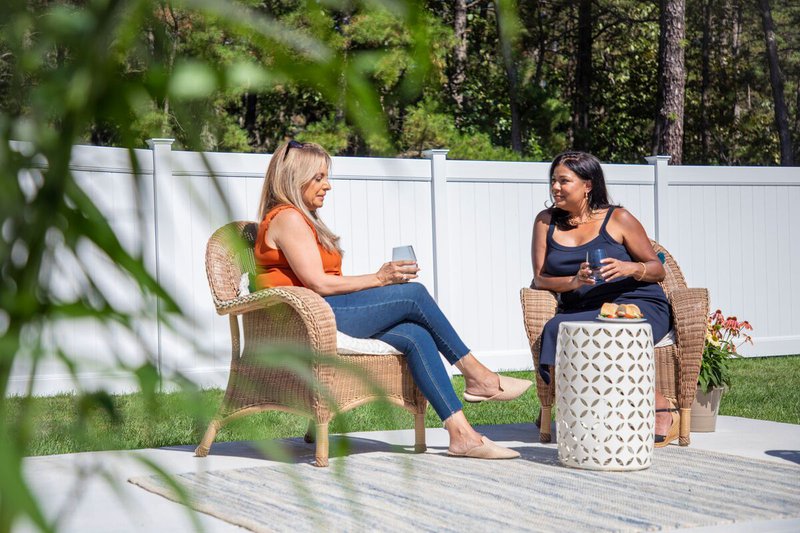
Privacy fencing limits sightlines and creates safer areas for kids or pets to play. Families feel more comfortable letting the space stay active throughout the day and into the evening. Reduced visibility also makes hosting feel more private and relaxed.
Access-controlled gates strengthen that sense of security even further. Guests enter through clear points, while the rest of the yard stays protected. Outdoor living works best when privacy, structure, and entry all work together instead of fighting each other.
Where Design Enhancements Transform Outdoor Living Spaces
Fencing really starts to elevate a yard when it is treated like part of the design, not just a boundary. Lighting, finish variation, and landscaping details turn fences into visual features instead of background elements. Small upgrades can add personality without sacrificing strength or function.
Uplighting brings texture into view after sunset and extends how long the space feels usable. Height variation keeps long fence runs from feeling flat or repetitive. Stone edging, planters, and layered landscaping soften the fence line and blend it into the surrounding environment.
Matching trim colors to decks or pergolas ties everything together visually. Trellis sections allow plants to climb vertically, adding greenery and height without closing the space in. Raised planters add depth, shade variation, and natural separation near seating and social areas.
What Homeowners Gain from Purpose-Built Outdoor Living Spaces
A purpose-built outdoor living space feels easier to use and more enjoyable over time. Fencing helps define zones, support layout flow, and reduce the need for constant furniture adjustments. When everything has a place, the space simply works better.
Homeowners spend more time outside when privacy, shade, and seating feel balanced. Outdoor areas shift from occasional use to a true extension of the home. Comfort and structure make the space feel inviting instead of temporary.
Property value benefits as well when fencing ties landscaping, architecture, and gathering areas together. Strong visual organization highlights lighting, gardens, and social zones. Outdoor living spaces become a true amenity rather than unused yard space.
Build Outdoor Living Spaces with Structured Comfort and Lasting Style
Outdoor living works best when fencing supports privacy, guides layout flow, and keeps the space comfortable throughout the year. Material choice, planning, and finishes all shape how the yard feels and performs long term.
For design guidance, material selection, and fencing installation that elevate outdoor living spaces, reach out to us at Hurricane Fence to plan spaces that are structured, beautiful, and comfortable, designed to last.

Leave a Reply