Temporary fencing gives property managers, event teams, and construction planners a practical way to control space without committing to anything permanent. When crowds need direction, equipment needs protection, or access needs to be limited for a short time, temporary fencing keeps everything organized without slowing the project down. Because panels can be moved and reconfigured quickly, layouts stay flexible as entry points, walk paths, and staging areas change throughout the day.
One of the biggest advantages of temporary fencing is how well it fits environments that are constantly shifting. Contractors, event organizers, and even homeowners rely on it when access needs change fast and schedules stay tight. Road projects, concerts, festivals, and seasonal builds all benefit from fencing systems that install quickly, relocate easily, and stay stable despite foot traffic, weather, and local requirements.
Contents
- 1 Why Crowd Management Benefits from Temporary Fence Solutions
- 2 Where Construction Sites Rely on Temporary Fencing
- 3 How Temporary Fencing Works for Events and Community Spaces
- 4 What Short-Term Barriers Provide for Traffic and Access Control
- 5 Why Temporary Fencing Works for Property Protection
- 6 Where Temporary Fencing Fits Residential and Commercial Needs
- 7 Select Temporary Fencing Based on Duration and Access Goals
What Temporary Fencing Supports Events, Construction, and Short-Term Barriers
Temporary fencing works best anywhere boundaries are needed without leaving a long-term footprint behind. It helps control movement at public events, secures active work sites, and creates short-term safety zones where permanent fencing would not make sense. Different systems vary by height, rigidity, and anchoring strength, allowing planners to match the setup to the situation instead of forcing a one-size-fits-all solution.
Why Crowd Management Benefits from Temporary Fence Solutions
Crowd management becomes far more manageable when temporary fencing defines where people should and should not go. At public events, clear barriers help separate staff-only zones, control lines, and guide foot traffic without relying on constant verbal direction. When people can see boundaries clearly, movement feels more natural and far less chaotic.
Concerts, sporting events, and large gatherings often use temporary fencing to organize ticket lines, protect performers, and create controlled entry and exit lanes. Defined pathways reduce congestion and enable staff and security teams to respond quickly if conditions change. Visibility and structure go a long way toward keeping everyone calm and moving smoothly.
Short-term festivals and pop-up events benefit even more from flexible fencing layouts. Vendor placements change, stages shift, and crowd volume can fluctuate throughout the day. Temporary fencing adapts as those needs change, improving safety and flow without locking the event into a rigid layout that no longer works.
Where Construction Sites Rely on Temporary Fencing
Another thing to consider is that construction sites change constantly, which means fencing has to move just as easily as the work itself. As projects progress from one phase to the next, temporary fencing shifts to separate public walkways from active work zones, helping reduce injury risk and prevent equipment theft. Crews adjust layouts as materials arrive, machinery moves, and structures take shape, without slowing the job down.
Here is how temporary fencing supports active construction environments:
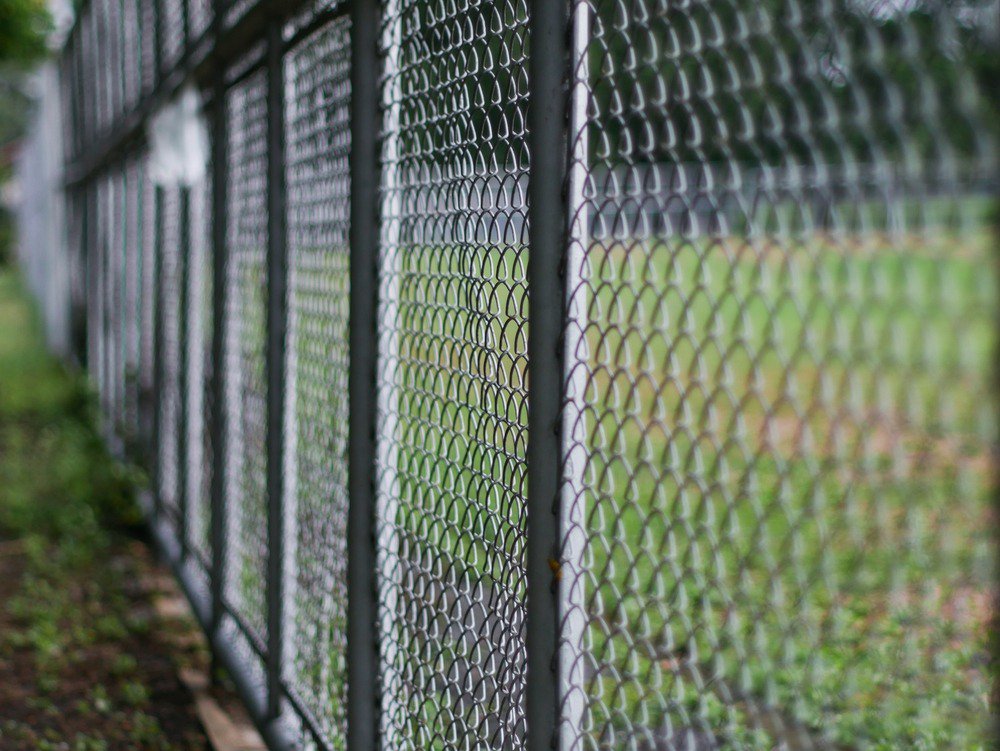
- Chain-link temporary fencing: These panels provide strong perimeter control without being permanent. When secured with weighted stands or anchors, equipment and materials stay protected even as the site layout changes.
- Welded-wire panels: Rigid framing makes these panels a good fit for job sites that need extra stability. Workers can access gated sections without tearing down entire fence lines.
- Privacy screening: Screens attach directly to temporary fencing to control dust and reduce visibility into high-equipment areas. Less visual distraction helps improve safety.
- Temporary barricades: Barricades guide trucks, forklifts, and heavy machinery through defined lanes. Controlled routing keeps job sites safer and more efficient.
- Rolling gates: Mobile gates allow crews and vehicles to move in and out without disassembling fencing. Access stays flexible as work zones shift.
Because fencing is portable, crews move it from slab to slab with minimal downtime. Anchors keep panels stable through storms or heavy equipment movement, allowing work to continue without relying on permanent structures.
How Temporary Fencing Works for Events and Community Spaces
Event planners rely on temporary fencing for the same reason contractors do, flexibility. Walk paths, entry lanes, and spectator zones can be defined clearly without locking the layout into something permanent. When people know exactly where to go, confusion drops and movement feels far more controlled.
Temporary fencing also plays a big role behind the scenes. Equipment towers, lighting rigs, sound systems, and broadcast stands stay protected when fencing creates separation from the public. Keeping distance between attendees and sensitive equipment reduces risk during peak activity.
Weather adds another layer of challenge, especially in Virginia and North Carolina. Weighted bases help panels stay grounded through wind, crowds, and constant foot traffic. If conditions change, layouts can shift mid-event without tearing everything down and starting over.
What Short-Term Barriers Provide for Traffic and Access Control
Temporary fencing also helps manage situations where people and vehicles share space. Short-term barriers form walking lanes, detours, and queue lines at construction sites, festivals, and public events. As traffic density changes, planners can adjust patterns quickly instead of forcing everyone through outdated routes.
- Chain-link panels: These create parking grids and loading sections for concerts, marathons, and markets. Clear line-of-sight helps drivers navigate safely. Staff reshape layouts easily based on attendance.
- Vinyl-coated panels: Softer edges make these panels a safer option near sidewalks and public walkways. Municipal crews often use them where families and children are present.
- High-visibility mesh: Bright mesh improves awareness when signage alone is not enough. Emergency routes stay visible even in crowded environments.
Clear barriers make it easier for staff, drivers, and pedestrians to understand where they should be, which reduces confusion and improves overall safety.
Why Temporary Fencing Works for Property Protection
Temporary fencing also provides solid protection for equipment storage and work zones, especially after hours. Restricting access lowers the risk of theft and helps support liability and safety requirements. A defined perimeter sends a clear message about restricted areas.
Battery banks, scaffolding, and heavy machinery are far more secure behind locked temporary panels. Reinforced mesh and secure connections slow intrusion attempts and discourage casual access. Even basic barriers can make a noticeable difference.
For home improvement projects near occupied spaces, temporary fencing creates a clear separation between work areas and daily life. People know where not to step, kids and pets stay safer, and crews stay focused on the job. Work continues without uncontrolled foot traffic getting in the way.
Where Temporary Fencing Fits Residential and Commercial Needs
Temporary fencing fits naturally into both residential and commercial settings because it solves short-term problems without creating long-term commitments. For homeowners, it is an easy way to keep weekend projects, driveway pours, or yard work contained so the rest of the property stays usable. Simple panel placement immediately improves safety for kids and pets without turning the space into a permanent construction zone.

On the commercial side, movable fencing becomes especially useful during storm cleanup, emergency repairs, or unexpected rebuild work. Businesses can keep operations running behind clearly marked boundaries instead of shutting everything down. Temporary fencing maintains order and safety until permanent repairs are completed and normal layouts return.
Large campuses rely on temporary fencing just as often. Holiday events, athletic overflow, and large crowd movement all benefit from guided walk paths instead of open, confusing spaces. Security teams gain clear boundary lines to monitor, which reduces guesswork and improves response times during busy periods.
Select Temporary Fencing Based on Duration and Access Goals
Temporary fencing works best when it is selected with a clear purpose in mind. Whether it supports an event, a construction site, or a short-term safety need, the fence should match traffic flow and access goals from the start. When the setup fits how the space is actually used, everything runs more smoothly.
Reach out to us at Hurricane Fence for temporary fencing that fits event layouts, construction security, and short-term barrier requirements.

Leave a Reply