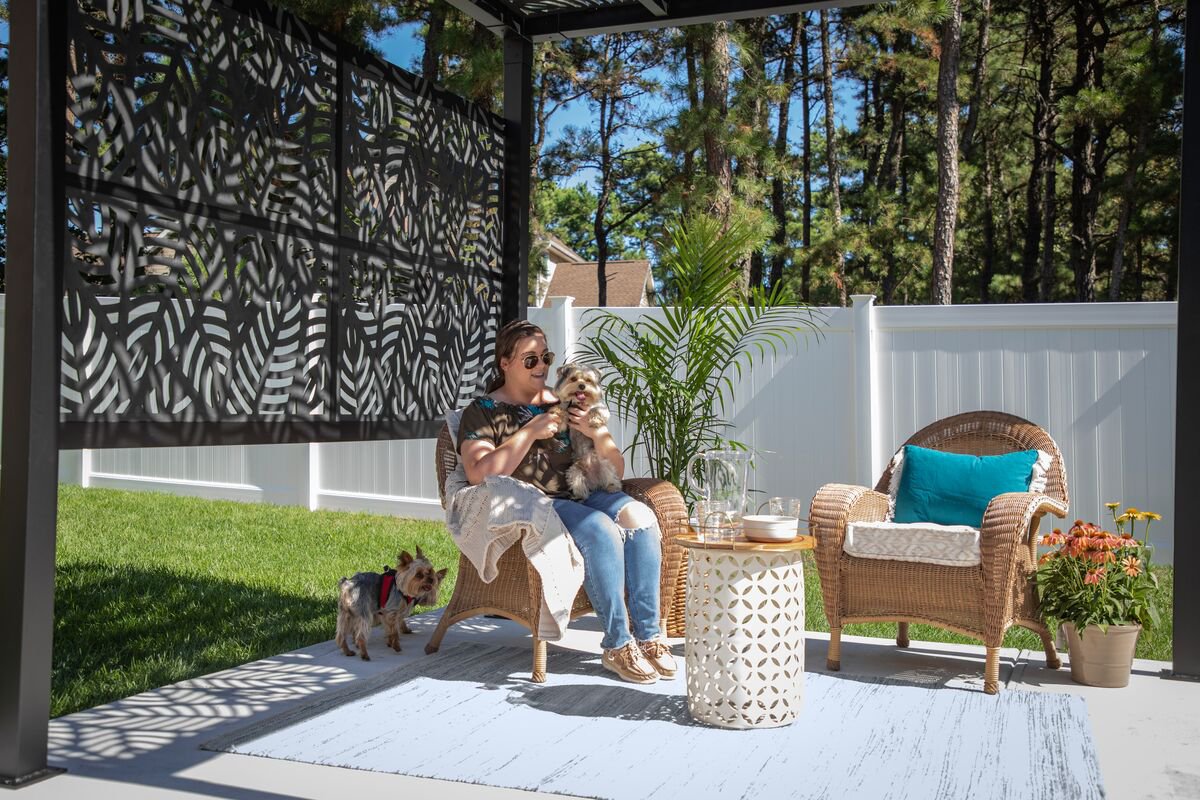
Wood fences and composite fences are two of the most common perimeter choices across Virginia and North Carolina, and for good reason. Both can create strong, attractive boundaries, but they age, wear, and behave very differently over time. Most owners end up choosing based on how long they want the fence to last and how much maintenance they are willing to deal with, not just how it looks on day one.
A practical way to compare the two is to think long term instead of upfront. Weather exposure, repair frequency, and seasonal performance matter more over ten or twenty years than initial appearance. Wood fences and composite fences can both work well, but they respond very differently to moisture, heat, and winter freeze cycles.
Contents
- 1 Why Longevity Differs Between Wood Fences and Composite Fencing
- 2 What Maintenance Requirements Separate Wood Fences from Composite Fences
- 3 How Aesthetic Preference Influences Fence Selection
- 4 Where Wood Fences Fit Residential and Commercial Properties
- 5 Why Composite Works for Modern Performance and Security
- 6 What Owners Gain When Comparing Wood Fences to Composite Panels
- 7 Select a Fence Based on Appearance, Longevity, and Upkeep Level
How Wood Fences Compare to Composite Fences in Longevity, Maintenance and Aesthetics
Wood fences offer natural grain, warmth, and character, but they require more ongoing maintenance to keep that look over time. Composite fences last longer with far less attention and fewer repairs, making them appealing for owners who prefer low upkeep. In many cases, the decision comes down to which appearance and maintenance level homeowners feel most comfortable living with long-term.
Why Longevity Differs Between Wood Fences and Composite Fencing
One thing worth noting is that longevity comes down to how materials respond to weather and wear. Wood fibers are made from natural fibers, which means they absorb moisture, expand in heat, and contract in cold. Composite fencing is engineered to resist those changes, which is why it generally lasts longer with fewer issues.

- Weather response: Wood fibers swell and shrink with rain and sun, while composite resists rot, warping, and breakdown. Less movement usually means longer service life.
- Material structure: Hardwood tends to last longer than softwood, but both still need sealing to prevent moisture damage. Composite density limits movement during freeze-thaw cycles.
- Insect resistance: Wood attracts insects if not treated regularly. Composite does not provide a food source, reducing long-term damage risk.
- Repair approach: Wood fences allow single-board replacement, which is convenient for small fixes. Composite rarely needs repair, but when it does, replacement costs are higher.
- Long-term planning: Large properties often favor composite because lower maintenance offsets the higher upfront cost over time.
Wood fencing still appeals to owners who like natural aging and hands-on upkeep. Composite usually wins when longevity and reduced intervention matter most.
What Maintenance Requirements Separate Wood Fences from Composite Fences
Maintenance is where the difference becomes most obvious. Wood fences need ongoing care to slow down rot and weather damage, while composite fences are designed to stay stable with minimal attention. How much time and effort you want to invest plays a big role here.
- Sealing and staining: Wood requires periodic staining or sealing every few years to manage moisture and sun exposure. Skipping this shortens lifespan quickly.
- Surface durability: Composite surfaces do not splinter, crack, or require sanding. The texture stays consistent through harsh weather.
- Board replacement: Wood fences often need board replacement where knots fail or warping occurs. Composite panels typically remain intact much longer.
- Cleaning routine: Composite cleans easily with soap and water instead of chemical treatments. Appearance stays consistent with minimal effort.
- Hardware checks: Wood fences need fastener checks as contraction and expansion loosen hardware. Composite movement is more limited, reducing adjustment needs.
Over time, maintenance schedules shape both cost and appearance. Composite holds color longer without repainting or stain layering, while wood develops a natural patina unless actively preserved.
How Aesthetic Preference Influences Fence Selection
When it comes to looks, this is usually where the decision really starts to take shape. Wood fences stand out because they feel natural and lived-in, with visible grain, knots, and subtle imperfections that give each section its own character. Many homeowners like how wood changes over time, slowly developing a patina that blends into landscaping instead of looking manufactured.
Composite takes a very different approach to appearance. Every panel looks the same from start to finish, which creates a clean, uniform boundary that works especially well with modern homes. There is no variation from board to board, so the fence always looks intentional and polished rather than organic or rustic.
Wood still wins on color flexibility. Stains allow homeowners to adjust tone over time or refresh the look when tastes change. Composite manufacturers now offer wood-look textures and natural color palettes, but the finish stays consistent across the entire fence run, which appeals to people who prefer predictability over variation.
Where Wood Fences Fit Residential and Commercial Properties
Wood fences suit homes seeking an organic yard transition between the landscape and the boundary. They create a softer transition between lawn, garden, deck, and property line, which is why they remain popular in traditional neighborhoods. The grain and color tend to blend in rather than stand out.
Commercial properties use wood differently but just as intentionally. Restaurants, patios, and storefronts often choose wood fencing to add warmth and curb appeal instead of an industrial feel. With routine care, wood holds up well and keeps those spaces inviting.
For higher privacy needs, wood adapts easily. Board-on-board and shadowbox styles increase coverage while still allowing airflow. Taller builds reduce sightlines and help buffer noise, and matching wood gates complete the perimeter without breaking the visual flow.
Why Composite Works for Modern Performance and Security
Composite fencing becomes the stronger choice when durability and reduced upkeep matter more than natural variation. Engineered boards resist moisture and stay aligned through temperature changes that would normally cause wood to shift. That stability shows up most during extreme weather.
- Wind resistance: Composite privacy boards hold their shape during strong wind without flexing unevenly. Fence lines stay straight from post to post.
- UV stability: Surface tone changes very little year to year, even with constant sun exposure. Fading happens slowly and evenly.
- Safer surfaces: Board edges do not splinter, which makes composite a safer option for yards with kids or pets.
- Fastener strength: Hardware stays tight through seasonal expansion and contraction. Gate and hinge areas remain stable.
- Mold resistance: Composite performs well in humid environments and cleans easily with basic washing.
Composite also performs well around automated gates when posts and framing are properly constructed. The material retains its shape without requiring frequent repairs, reducing downtime from weather-related movement.
What Owners Gain When Comparing Wood Fences to Composite Panels
When owners compare wood fences to composite panels, the tradeoff becomes clear pretty quickly. Wood delivers warmth, texture, and the ability to repair individual boards, but it comes with ongoing treatment and upkeep. Composite gives up some natural character in exchange for long-term durability and easier ownership.
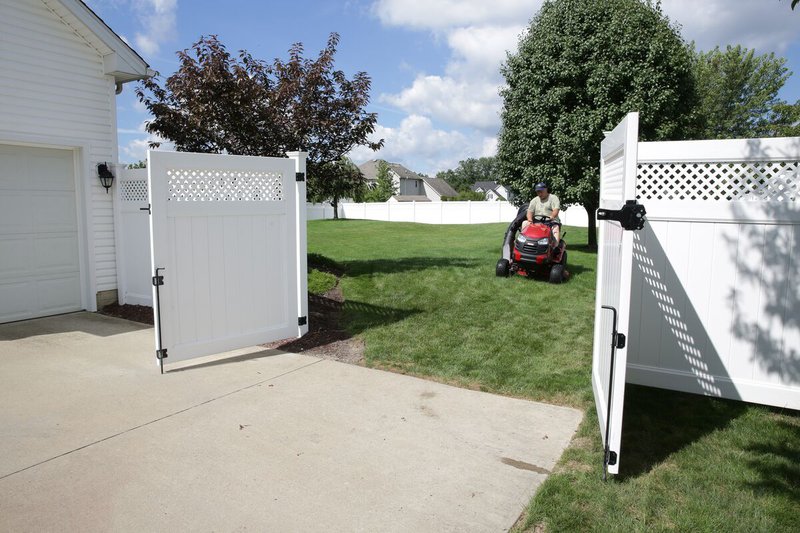
For long fence runs, repair planning matters. Composite avoids mid-life rebuilds, while wood requires scheduled sealing, staining, and occasional board replacement. Both fence types provide strong privacy and security when installed properly, since post anchoring and rail support matter more than the panel material itself. Most owners end up choosing based on how much maintenance they want to manage, not because one option performs poorly.
Select a Fence Based on Appearance, Longevity, and Upkeep Level
Wood fences and composite fences both work well for secure boundaries, they just age in different ways. Appearance preference, maintenance tolerance, and expected service life usually drive the final decision. When the material matches the environment and weather conditions, the fence holds value and performance far longer.
Reach out to us at Hurricane Fence to compare installation needs, service-life differences, and boundary design goals for wood and composite fencing solutions.

Leave a Reply