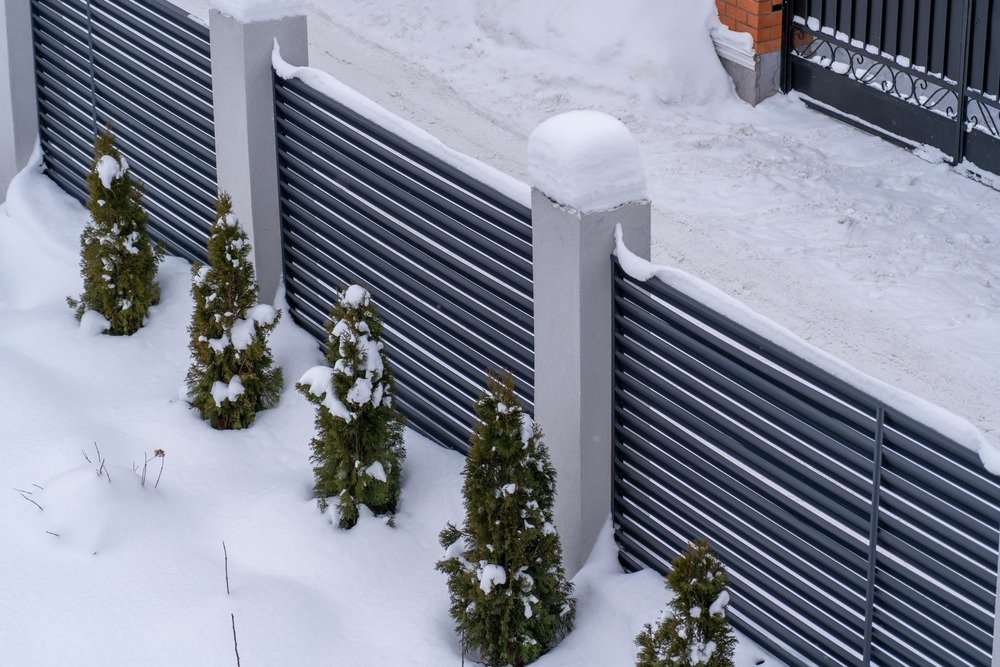
Cold weather can be rough on fences, and most of the damage happens quietly over time. Freezing temperatures, moisture, and snow can cause cracks, warping, or corrosion if a fence is not prepared properly. Consistent winter fence protection helps prevent those issues and keeps your fence looking good and holding strong through the toughest months.
Virginia winters are especially unpredictable, with rain one week and frost or heavy wind the next. That constant back and forth puts real stress on fencing materials. Taking a few proactive steps early can save you from repairs later and make spring maintenance far less frustrating.
Contents
Why Winter Fence Protection Matters
When temperatures drop, fencing materials naturally expand and contract. That movement creates tension in fasteners, joints, and panels, which can slowly weaken the structure. Add moisture into the mix, and you start seeing rust, rot, or cracking, especially in untreated wood or exposed metal.
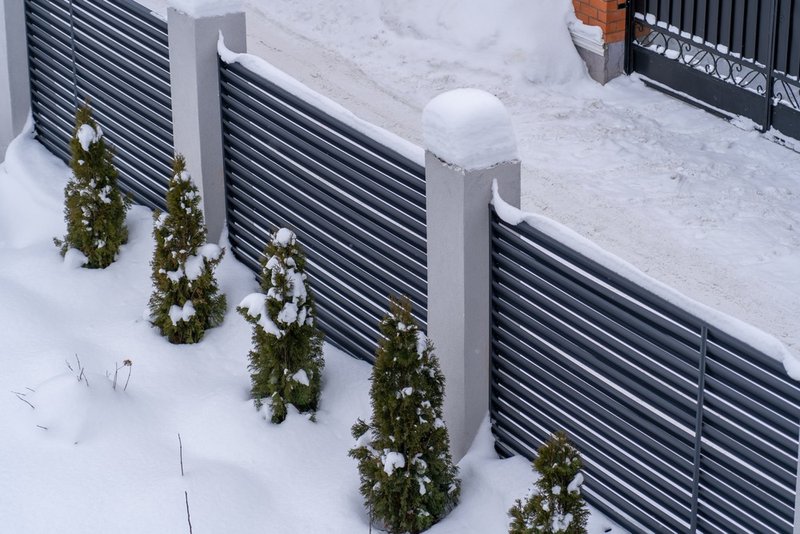
Winter fence protection works by limiting how much water and cold can work their way into the fence. Sealants, paint coatings, and surface treatments act like a barrier, helping materials handle freezing conditions without breaking down. A fence that stays protected also keeps its curb appeal, which matters more than most homeowners realize during resale or inspections.
Regular checks before and during winter make a noticeable difference. Catching loose boards, early rust, or small cracks now prevents them from becoming bigger problems as temperatures drop further. Homeowners who stay ahead of maintenance often get many more years out of their fence than expected.
Essential Preparation Steps Before Winter
Getting your fence ready before winter sets in does not have to be complicated, but timing matters. Start by clearing leaves, dirt, and debris from around the base of the fence so moisture does not get trapped. Cleaning the fence surface also makes it easier to spot cracks, soft wood, or damaged areas that need attention.
Next, take a few minutes to tighten loose fasteners, replace missing boards, and check that gates open and close smoothly. Small fixes now help prevent panels from shifting or warping once freezing temperatures hit. According to the Comprehensive Guide to Residential Fence Maintenance, applying protective coatings ensures fences remain resistant to ice buildup and moisture intrusion.
Finally, look around the fence line for nearby vegetation. Overhanging branches and vines can collect snow and ice, adding weight and pressure to panels and posts. Trimming them back helps reduce stress on the fence and keeps your winter fence protection efforts working as intended throughout the season.
Choosing the Best Materials for Winter Fence Protection
Not all fences handle winter the same way, which is why material choice matters more than many homeowners realize. Snow, ice, wind, and constant temperature swings can expose weak points fast if the material is not up to the task. Understanding how each option performs helps you choose something that will hold up instead of becoming a spring repair project.
Here is how common fencing materials stack up when it comes to winter fence protection:
- Vinyl Fencing: Vinyl handles winter extremely well because it resists moisture and never rusts. The Why Vinyl Fence is the Best Option for Winter article highlights its flexibility that prevents cracking and fading.
- Aluminum fencing: Aluminum stays strong and corrosion-resistant even in icy conditions. It requires very little maintenance while keeping a clean, polished look year-round.
- Steel fencing: Powder-coated steel offers excellent strength against wind and snow loads. Regular inspections help catch early rust and keep connections secure.
- Wood fencing: Wood looks great but needs extra attention in winter. Sealing and proper finishing help prevent moisture absorption, splitting, and discoloration in cold weather.
- Composite fencing: Composite blends plastic and wood fibers, giving it strong moisture resistance and dependable performance in extreme temperatures. The Fences You Can Use in Cold Climates blog highlights their reliability in extreme temperatures.
Choosing the right material goes a long way toward extending the life of your fence. With proper installation and care, these options can handle winter conditions while still looking good year after year.
Preventing Ice and Snow Buildup
Ice and snow might seem harmless at first, but the weight adds up quickly. When buildup sits on panels or rails for long periods, it can stress posts, loosen foundations, or cause bending in weaker sections. Clearing it regularly helps avoid damage that is easy to overlook until it becomes serious.
Use a soft broom or a plastic shovel to remove snow safely. Metal tools can scratch surfaces, damage coatings, or chip paint, which only creates more problems later. If ice forms, gently break it away instead of forcing it off, since aggressive removal can crack boards or split materials.
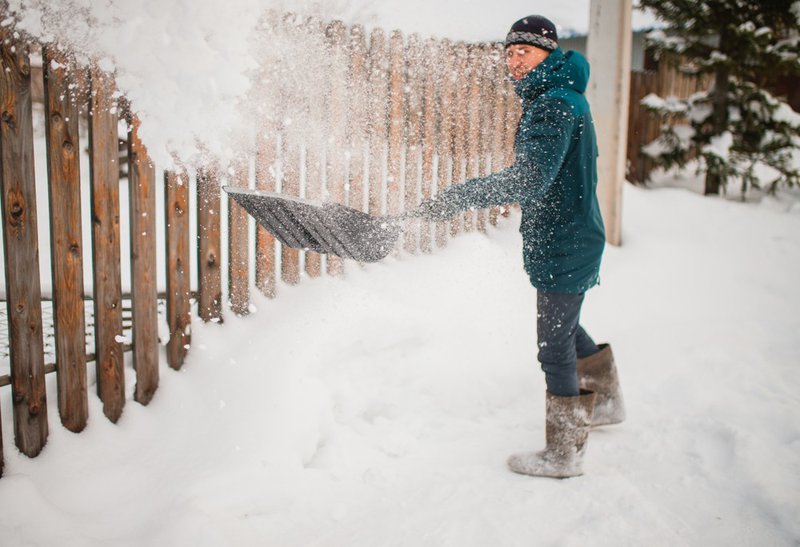
Applying moisture-repelling treatments also helps reduce sticking and freezing. These coatings make it easier to clean the fence throughout winter and support your overall winter fence protection efforts with less work.
Ongoing Fence Winter Care Tips for Lasting Durability
Winter fence care does not need to be complicated to be effective. Small, consistent checks make a noticeable difference in how well your fence survives the season. A little attention now often prevents big repairs later.
- Inspect weekly: Look for loose nails, leaning posts, or early frost damage. Catching issues early keeps them from spreading.
- Clear ice regularly: Remove icicles before they add weight to rails or panels. Always use gentle tools to protect the surface.
- Monitor gate movement: Cold weather can cause gates to stick or shift. Occasional hinge lubrication helps prevent strain on latches.
- Check soil and drainage: Melting snow can oversaturate soil around posts and cause movement. Adding gravel improves drainage and stability.
- Plan a spring inspection: Once winter ends, walk the fence line and address any visible wear. This habit keeps protection consistent year after year.
Ongoing care keeps small problems from turning into expensive fixes. When spring arrives, the payoff is a fence that still looks good and functions the way it should.
Built to Last Through Every Season
Every fence faces different challenges depending on material, location, and upkeep. Consistent winter fence protection helps preserve both the structure and appearance of the fence through Virginia’s toughest weather. With preventive care and smart choices, you protect your investment, reduce repair costs, and keep your property looking its best year-round.
At the end of the day, every property deserves professional attention to achieve dependable strength and year-round appeal. With decades of expertise serving Virginia homeowners, our team provides guidance that combines design, durability, and local understanding. To explore fencing options or schedule a consultation, contact Hurricane Fence Company today.

Leave a Reply